
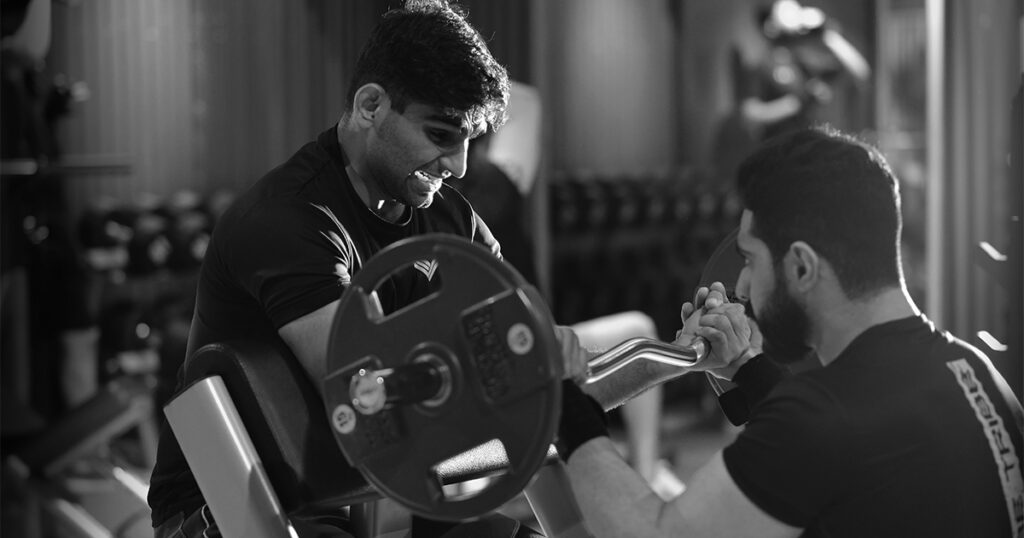
Finding the right personal trainer in Lahore can make a major difference to how confidently, safely, and consistently you train. A good trainer does more than count repetitions or tell you which machine to use. They should understand your goals, teach proper exercise technique, create a structured workout plan, track your progress, and adjust your training as you improve.
But with so many gyms, fitness coaches, online trainers, and independent trainers available across Lahore, choosing the right person can be confusing.
Should you look mainly at certifications? Does experience matter more? How do you know whether a trainer understands weight loss, strength training, muscle gain, or beginner fitness? And which warning signs should make you look elsewhere?
This guide explains how to choose a personal trainer in Lahore, the qualifications worth checking, questions to ask before signing up, and the biggest red flags to avoid.
Why Choosing the Right Personal Trainer Matters
Personal training is an investment in both your time and your fitness.
The right trainer can help you train with greater structure instead of moving randomly from one workout to another. They can teach you how to perform exercises correctly, select suitable weights, progress gradually, and understand why different movements are included in your program.
This guidance can be particularly valuable for beginners who feel unsure around gym equipment or people returning to exercise after a long break.
A good gym trainer in Lahore should also help you develop independence. Over time, you should understand more about exercise selection, technique, progression, recovery, and your own capabilities rather than becoming completely dependent on your coach.
That is why choosing based only on appearance, popularity, or social media followers is rarely enough.
1. Check the Trainer’s Qualifications
Your first question should be simple: what fitness qualifications or certifications does the trainer have?
A credible certified personal trainer in Lahore should be able to explain their education, certifications, workshops, or professional training without being vague about them.
Certification alone does not automatically make someone an excellent coach, but it can show that the trainer has received structured education in areas such as exercise technique, anatomy, program design, safety, and fitness assessment.
The trainer’s qualifications should also match your needs.
For example, someone primarily experienced in bodybuilding may not be the ideal choice for every beginner, while a trainer specialising in strength and conditioning may be more appropriate for someone focused on sports performance.
Look for a combination of education, relevant experience, communication skills, and practical coaching ability.
2. Choose a Trainer Who Understands Your Goal
Before starting personal training in Lahore, be clear about what you actually want to achieve.
Do you want to lose body fat? Build muscle? Become stronger? Improve general fitness? Learn proper lifting technique? Return to exercise after a long break? Prepare for a sporting event?
Your trainer should ask these questions before creating your program.
Be cautious if you receive the same routine as every other client. Your training volume, exercise selection, intensity, and progression should reflect your current fitness level, experience, schedule, limitations, and goals.
For example, someone searching for a personal trainer for weight loss in Lahore may require a different training structure from an experienced lifter focused on increasing strength.
Good personal training should be personalised rather than copied and pasted.
3. Pay Attention to the Initial Assessment
A professional trainer should want to understand where you are starting.
That does not necessarily require complicated testing. However, your trainer should discuss your training history, current activity level, fitness goals, previous injuries or movement limitations, available training days, and relevant lifestyle factors.
They should also observe your movement and exercise technique before pushing you into demanding workouts.
If a trainer immediately puts you through an exhausting session without learning anything about you first, consider it a warning sign.
The purpose of the first few sessions should not simply be to make you tired. They should help establish an appropriate starting point for your program.
4. Ask How Progress Will Be Tracked
One of the biggest advantages of working with a personal fitness trainer in Lahore should be having a structured plan.
Ask how your progress will be measured.
Depending on your goal, a trainer may monitor workout performance, weights lifted, repetitions, measurements, fitness improvements, consistency, exercise technique, or other relevant indicators.
You should also know how often your program will be reviewed.
A workout plan should not remain the same forever. As your strength, fitness, confidence, and technique improve, your training should gradually progress as well.
Effective trainers make changes for a reason rather than changing exercises every session simply to keep workouts entertaining.
5. Evaluate Their Coaching Style
Technical knowledge matters, but communication matters too.
Some clients prefer an energetic coach who pushes them throughout every session. Others respond better to calm explanations, detailed instruction, or a more independent training environment.
Neither style is automatically better.
The important question is whether the trainer’s approach helps you learn and remain consistent.
A good personal trainer in Lahore should be able to explain why you are performing an exercise, demonstrate the movement clearly, correct your form respectfully, and answer reasonable questions about your training.
You should feel challenged without feeling pressured to ignore pain or perform exercises you are clearly not ready for.
Questions to Ask a Personal Trainer Before You Join
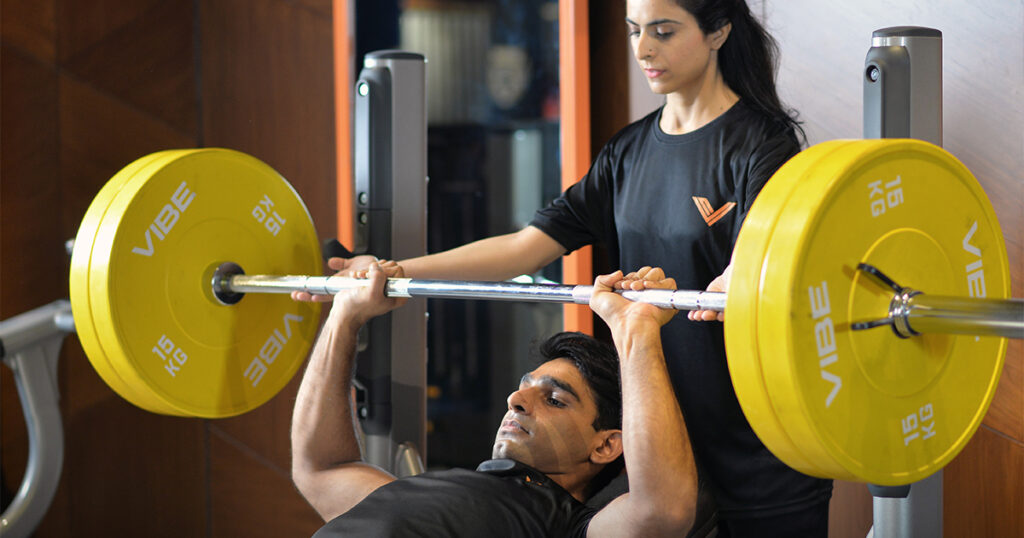
Before committing to a trainer, have a short conversation about how they work.
Ask about their qualifications and coaching experience. Find out whether they regularly train clients with goals similar to yours and how they create personalised programs.
You can also ask how they track progress, how often they modify workout plans, what happens if you miss a session, and how they approach exercise technique and recovery.
If you have previous injuries or ongoing pain, ask how they would handle the situation. A responsible trainer should understand the limits of their professional role and know when input from a physiotherapist, doctor, dietitian, or another qualified healthcare professional may be necessary.
You should also discuss availability. Even an excellent trainer may not be right for you if their schedule consistently conflicts with yours.
Personal Trainer Red Flags to Avoid
Several warning signs can help you identify poor-quality coaching.
Be cautious of trainers who guarantee dramatic weight loss or muscle gain within an unrealistic period. Fitness results depend on many factors, including training consistency, nutrition, recovery, starting condition, and individual differences.
Another red flag is a trainer who gives every client an identical workout regardless of experience or goals.
Constant phone use during your session, poor attention to exercise form, regularly arriving late, or repeatedly cancelling sessions can also indicate poor professionalism.
You should also be cautious if a trainer tells you to continue through sharp or unusual pain simply because a workout is supposed to be difficult.
Training can certainly be challenging, but pain should not automatically be ignored.
Finally, be careful with trainers who move beyond their professional expertise. A fitness coach can provide general exercise guidance, but medical conditions, injury rehabilitation, clinical nutrition, and similar concerns may require appropriately qualified professionals.
Should You Choose a Male or Female Personal Trainer?
The answer largely comes down to personal comfort, availability, expertise, and training style.
Some women specifically search for a female personal trainer in Lahore because they feel more comfortable discussing their goals or training in a women-focused environment. Other clients may have no gender preference and instead prioritise experience or specialisation.
What matters most is finding a trainer who communicates professionally, understands your goals, respects your boundaries, and provides an environment in which you can train consistently.
Does Location Matter When Choosing a Trainer in Lahore?
Absolutely.
Lahore is a large city, and commuting across it several times per week can quickly become an obstacle to consistency.
Someone searching for a personal trainer in DHA Lahore, for example, will often benefit from choosing a gym and trainer that are conveniently accessible from their home or workplace.
Before signing up, consider not just the trainer but the complete training environment. Look at equipment availability, cleanliness, workout space, gym timings, parking or accessibility, classes, recovery facilities, and the overall atmosphere.
A convenient gym that you enjoy visiting can make staying consistent significantly easier.
Why the Cheapest Personal Trainer Is Not Always the Best Choice
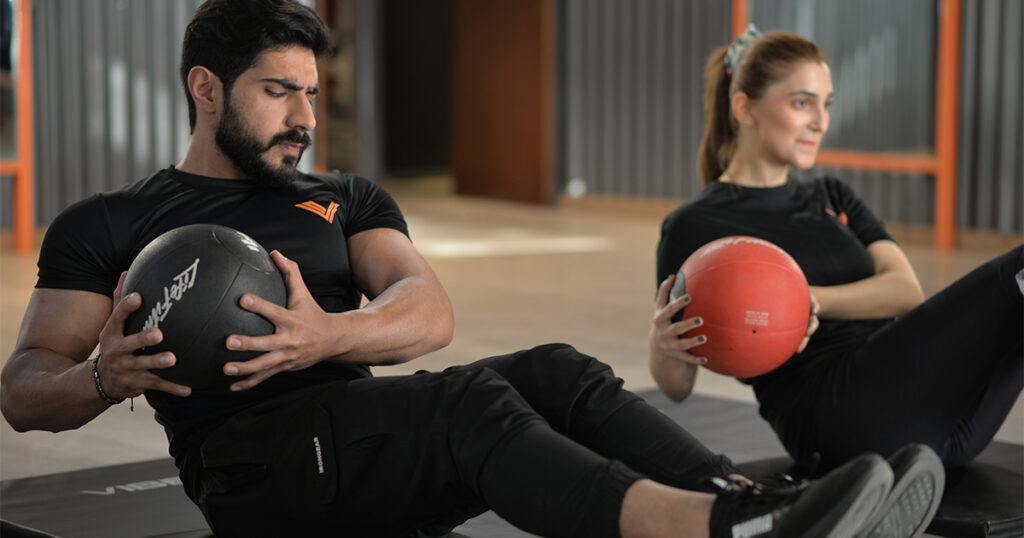
Price naturally matters, but it should not be your only comparison.
Instead of asking only, “How much does the trainer charge?” consider what you receive for that investment.
Does the trainer provide one-to-one attention? Is your program personalised? Are sessions tracked? Is exercise form actively coached? Are progress reviews included? Is the trainer working in a well-equipped and professional gym?
The lowest-priced option may not provide the level of coaching you need, while the most expensive trainer is not automatically the right match either.
Focus on value, expertise, compatibility, and consistency.
Finding the Right Personal Trainer in Lahore
The best personal trainer in Lahore for you is ultimately the one whose expertise, communication style, schedule, and approach match your goals.
Look for relevant qualifications, practical experience, personalised programming, clear communication, professional behaviour, and a genuine focus on your progress.
Most importantly, choose someone who helps you understand your training rather than simply exhausting you for an hour.
At Vibe Gym & Health Club, members can access personal training alongside a wider fitness environment designed to support structured training, strength development, exercise guidance, and long-term consistency.
If you are considering personal training, speak with the team about your current fitness level, goals, preferred training schedule, and the type of coaching you are looking for. Meeting a trainer before committing can help you decide whether their approach is the right fit for your fitness journey.
Frequently Asked Questions
- How do I choose a good personal trainer in Lahore?
Check the trainer’s qualifications, experience, communication style, approach to personalised programming, and experience with goals similar to yours. You should also consider schedule, location, and how progress will be tracked.
- What qualifications should a personal trainer have?
Look for recognised fitness education or certifications covering areas such as exercise technique, anatomy, program design, and training safety. Relevant practical experience is also important.
- How often should I train with a personal trainer?
It depends on your experience, goals, schedule, budget, and ability to train independently. Some people work with a trainer several times per week, while others combine occasional coached sessions with independent workouts.
- Can a personal trainer help with weight loss?
A trainer can create structured workouts, support consistency, improve fitness, and help you become more active. However, weight management is also affected by nutrition, sleep, recovery, lifestyle, and other individual factors.
- Is personal training suitable for beginners?
Yes. Beginners can particularly benefit from learning proper exercise form, equipment use, workout structure, and safe progression before becoming more independent in the gym.