
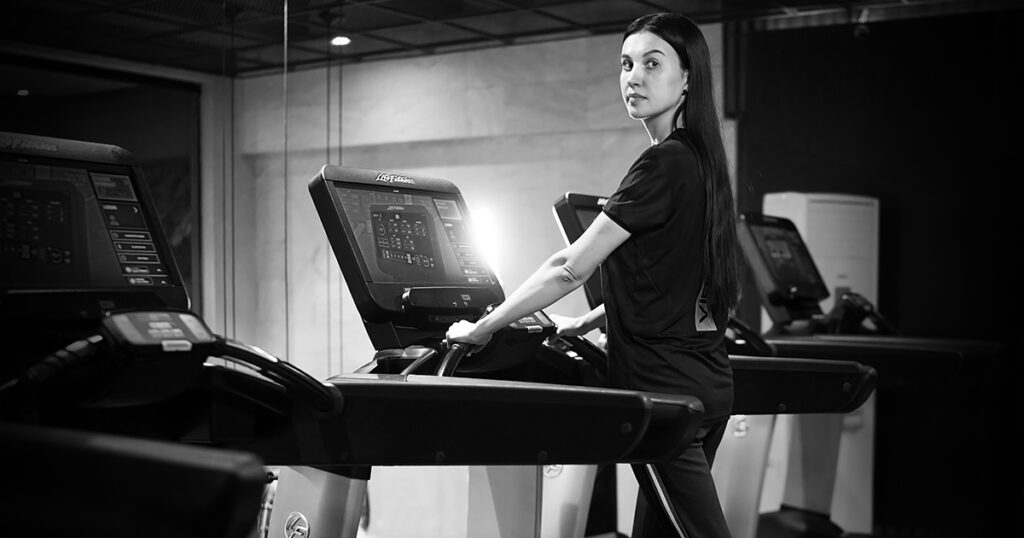
Joining a gym to lose weight can feel exciting at first—and confusing shortly after.
Should you spend an hour on the treadmill? Lift weights? Do HIIT every day? Train six days per week? Stop eating carbohydrates?
For beginners, the most effective approach is usually much simpler.
A sustainable gym workout plan for weight loss combines strength training, cardio, daily movement, sensible nutrition, sufficient recovery, and gradual progression. You do not need to destroy yourself in every workout or exercise every day.
The goal of this 12-week plan is to help you build habits you can continue beyond week 12.
Current physical-activity guidance recommends that adults work toward at least 150 minutes of moderate-intensity aerobic activity per week, together with muscle-strengthening activity on at least two days each week. Beginners can build toward these levels gradually rather than trying to do everything immediately.
Here is how to get started.
Can You Really Lose Weight in 12 Weeks?
Twelve weeks is enough time to make meaningful progress, but don’t treat it as a deadline for reaching a specific number on the scale.
The CDC notes that people who lose weight gradually, around 1 to 2 pounds per week, are more likely to maintain their results than those pursuing faster weight loss. Actual progress varies depending on factors such as starting weight, nutrition, activity, sleep, medications, medical conditions, age, and genetics.
Instead of asking:
“How much weight can I lose in 12 weeks?”
A better question is:
“How much healthier and more consistent can my routine become over the next 12 weeks?”
Weight change can then follow from those habits.
The Basics of Weight Loss at the Gym
Before looking at the workouts, understand one important point:
Exercise alone does not determine weight loss.
Weight loss generally requires you to use more energy than you consume over time. This is commonly described as a calorie deficit.
Exercise can contribute to energy expenditure, improve fitness, and support overall health, but nutrition remains an important part of weight management. CDC guidance likewise notes that physical activity combined with an appropriate nutrition strategy is more useful for weight loss than relying on exercise alone.
A good weight-loss program therefore combines four areas:
Strength training to build or preserve muscle and improve physical capacity.
Cardio to improve cardiovascular fitness and increase activity.
Daily movement such as walking and taking the stairs.
Nutrition that supports a manageable calorie deficit while still providing adequate protein and nutrients.
Now let’s put these principles into a realistic 12-week plan.
Weeks 1–4: Build the Habit
Your first month is not about doing the hardest workouts possible.
It is about becoming someone who goes to the gym consistently.
For most beginners, three gym sessions per week is an excellent starting point.
Example Week
Monday: Full-body strength workout
Tuesday: Rest or easy walk
Wednesday: Cardio + light mobility
Thursday: Rest
Friday: Full-body strength workout
Saturday: Walking or optional light activity
Sunday: Rest
This schedule provides two strength sessions and one dedicated cardio workout while leaving plenty of recovery time.
Beginner Full-Body Workout
Perform approximately 2–3 sets of each exercise:
- Leg press or bodyweight squat
- Chest press
- Seated cable row
- Romanian deadlift or another beginner-friendly hip-hinge exercise
- Lat pulldown
- Shoulder press
- Basic core exercise
Aim for controlled repetitions and focus on technique rather than lifting the heaviest weight possible.
For most exercises, a moderate repetition range such as 8–12 reps is a practical place for beginners to start.
If you are completely new to gym equipment, ask a qualified trainer to show you how the machines and exercises work.
Cardio During Weeks 1–4
Start with around 20–30 minutes of comfortable cardio.
Options include:
- Treadmill walking
- Stationary cycling
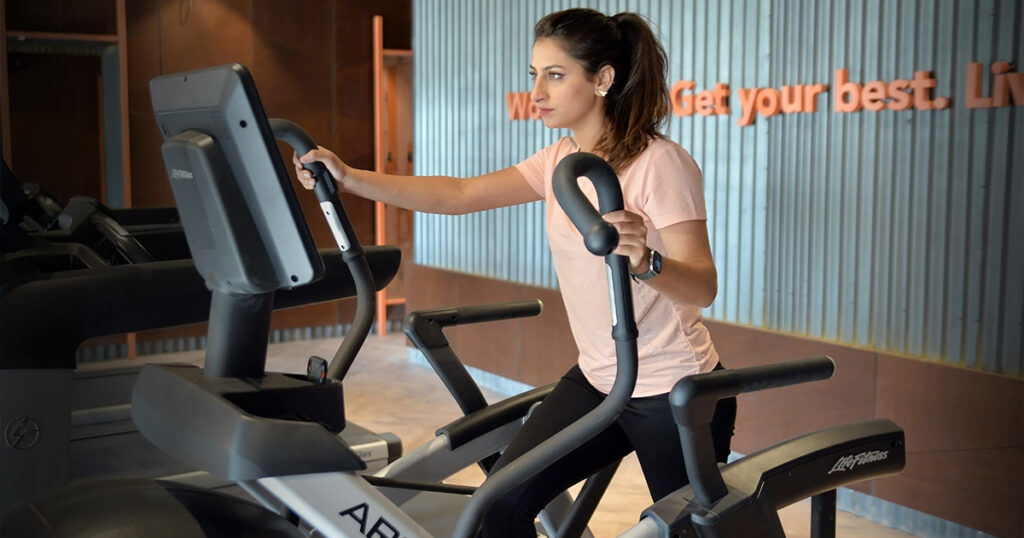
- Elliptical
- Rowing
- Stair machine
You should be working, but you do not need to feel completely exhausted.
The aim is to establish consistency.
Your Goal for Weeks 1–4
Success during the first month means:
Going to the gym consistently.
Learning basic exercise technique.
Becoming more active outside the gym.
Improving your food choices.
And avoiding the common beginner mistake of doing too much too soon.
Weeks 5–8: Increase Your Training
Once three weekly sessions feel normal, you can gradually increase your workload.
A beginner weight loss gym plan might now involve three strength-focused sessions plus additional cardio or walking.
Example Week
Monday: Full-body strength
Tuesday: 25–35 minutes cardio
Wednesday: Rest or walking
Thursday: Full-body strength
Friday: Rest
Saturday: Full-body strength + short cardio
Sunday: Recovery
This gives you three resistance-training sessions while gradually increasing your weekly activity.
How to Progress Your Strength Training
Your body adapts to exercise, which means the same workout eventually becomes easier.
You can progress by gradually:
- Adding a small amount of weight
- Performing another repetition
- Improving your exercise technique
- Adding a set when appropriate
- Controlling the movement better
This is the basic idea behind progressive overload.
Progress does not mean increasing the weight every workout. Technique and consistency come first.
Increase Your Cardio Gradually
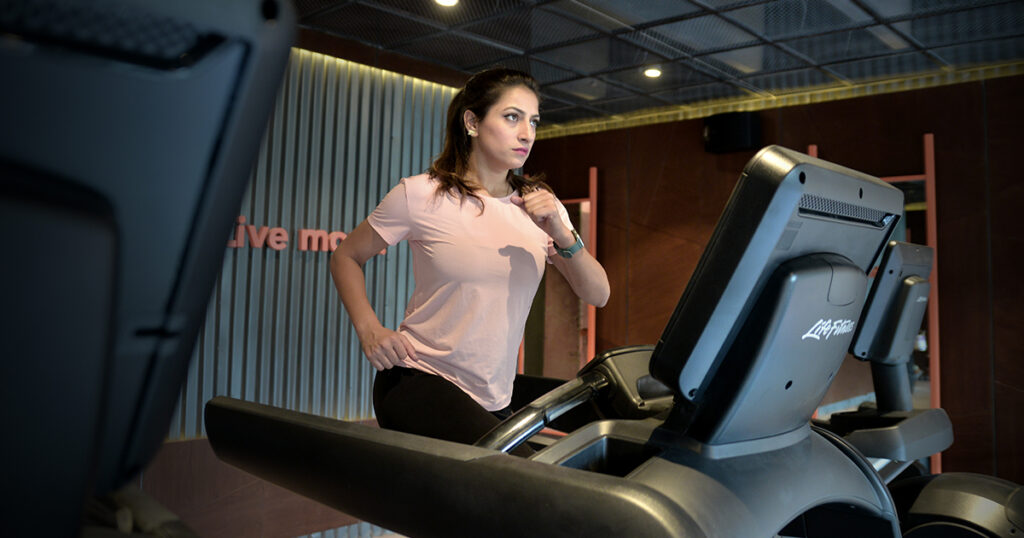
By this phase, aim to move toward the recommended weekly activity level of around 150 minutes of moderate-intensity activity, taking your normal daily activity into account.
You might achieve that through a combination of:
30-minute treadmill sessions.
Brisk outdoor walks.
Cycling.
Group fitness classes.
Short cardio after strength training.
You do not have to complete all 150 minutes inside the gym.
Walking counts too.
Weeks 9–12: Build a Sustainable Routine
By week nine, workouts should feel less unfamiliar.
Now the goal is to turn your beginner program into something you could realistically maintain for months.
You might continue training 3–4 days per week, depending on your schedule and recovery.
Example Week
Monday: Strength training
Tuesday: Moderate cardio
Wednesday: Strength training
Thursday: Recovery or walking
Friday: Strength training
Saturday: Cardio or fitness class
Sunday: Rest
Your exact routine can vary.
Someone who loves group classes may use those for cardio. Someone who prefers outdoor walking may spend less time on the treadmill.
The best 12-week workout plan for weight loss is not the one that looks hardest on paper.
It is the one you can actually maintain.
Which Gym Exercises Are Best for Weight Loss?
There is no single magical fat-burning exercise.
A good program uses exercises that train several major muscle groups and that you can perform consistently.
Useful options include:
- Squats or leg press
- Lunges
- Romanian deadlifts
- Chest press
- Rows
- Lat pulldowns
- Shoulder press
- Step-ups
- Cycling
- Treadmill walking
- Rowing
Compound strength exercises are useful because they allow you to train multiple muscle groups efficiently.
Cardio then complements your resistance training rather than replacing it.
Cardio vs Weights for Weight Loss: Which Is Better?
You do not need to choose one.
A strong gym routine for weight loss includes both.
Cardio can increase your activity and improve cardiovascular fitness.
Strength training helps develop strength and preserve or build muscle as part of an overall fitness program.
Current activity recommendations specifically include both aerobic exercise and muscle-strengthening work, rather than treating one as a replacement for the other.
For beginners, combining the two usually makes more sense than spending every gym session exclusively on cardio equipment.
Don’t Ignore Your Daily Steps
What you do outside the gym matters.
Imagine two people who both exercise for one hour.
One sits almost continuously for the remaining day.
The other walks to shops, takes stairs, moves around at work, and takes an evening walk.
Their overall daily activity can be very different.
You do not need to obsess over a particular step number. Instead, look at your current activity and gradually increase it.
Simple changes can include:
Parking slightly farther away.
Taking stairs when practical.
Walking after meals.
Taking short movement breaks during work.
Going for an evening walk.
The CDC emphasizes the broader principle of moving more and sitting less, and notes that even some activity is better than none.
Nutrition During Your 12-Week Weight Loss Plan
You cannot reliably out-train a consistently excessive calorie intake.
At the same time, an extreme crash diet is unnecessary.
Try building meals around:
Protein: chicken, fish, eggs, yogurt, milk, lentils, beans, chickpeas, paneer, or other suitable sources.
Vegetables and fruit: for fiber, nutrients, and food volume.
Carbohydrates: rice, roti, potatoes, oats, fruit, and other foods that can support training.
Healthy fats: consumed in appropriate portions.
For Pakistani diets, portion awareness can make a significant difference without requiring you to eliminate traditional foods.
For example, you do not necessarily need to remove roti or rice from your diet.
Instead, look at your total food intake, portions, cooking methods, and frequency of high-calorie extras.
Sugary drinks, frequent desserts, oversized restaurant meals, and excessive cooking oils can add substantial calories without always improving fullness.
Protein Matters During Weight Loss
Protein deserves particular attention when combining dieting with gym training.
Include a meaningful protein source in your main meals rather than leaving nearly all your protein until dinner.
For example:
Breakfast: eggs + yogurt
Lunch: chicken + rice + salad
Snack: milk or yogurt
Dinner: fish, meat, daal or chickpeas with vegetables and roti
You do not need protein powder to lose weight.
It can simply be a convenient option when normal food does not meet your needs.
How Should You Track Progress?
The scale is useful, but it is not your only measurement.
Track several indicators:
- Body weight
- Waist measurement
- Gym performance
- Exercise consistency
- How your clothes fit
- Energy levels
- Walking/activity habits
Body weight naturally fluctuates from day to day due to food, water, sodium, and other factors.
Instead of reacting emotionally to a single weigh-in, look at the overall trend over several weeks.
What If Your Weight Stops Changing?
A short plateau does not mean your program has failed.
First, check whether you have actually been consistent.
Ask yourself:
Have portions gradually increased?
Have weekend meals changed?
Are you training as regularly as before?
Has daily walking decreased?
Are drinks or snacks adding more calories than expected?
Avoid immediately doubling your cardio or dramatically cutting food.
Make one manageable adjustment, remain consistent for another couple of weeks, and evaluate the trend again.
Common Beginner Weight-Loss Mistakes
Doing Cardio Every Day but Ignoring Strength Training
Cardio is valuable, but your program should also include resistance exercise.
Starting With Six Gym Days Per Week
Going from zero workouts to six hard sessions is often unnecessary.
Start with a schedule you can maintain.
Expecting Immediate Results
Twelve weeks can produce meaningful progress, but sustainable weight loss takes time.
Copying Advanced Workouts
The program used by a fitness influencer may not be appropriate for someone attending a gym for the first time.
Eating Back Every Exercise Calorie
Fitness machines and watches provide estimates, not perfect measurements.
Avoid treating estimated calories burned as permission to automatically eat more.
Ignoring Sleep and Recovery
A successful fitness routine involves recovery as well as training.
CDC guidance includes sufficient sleep and stress management among the lifestyle factors that support healthy weight management.
Your 12-Week Weight Loss Plan at a Glance
| Phase | Strength Training | Cardio/Activity | Main Goal |
| Weeks 1–4 | 2 days/week | 1–2 cardio sessions + walking | Build consistency |
| Weeks 5–8 | 3 days/week | 2–3 sessions/walking | Increase activity gradually |
| Weeks 9–12 | 3 days/week | 2–3 sessions/walking | Create a sustainable routine |
This is a template, not a rigid prescription.
Your fitness level, health, schedule, and recovery should determine how quickly you progress.
What Happens After Week 12?
Week 12 should not be the end.
It should be the point where you no longer feel like a complete beginner.
You now have a routine you can continue, adjust, and improve.
Keep strength training.
Keep moving.
Continue improving your nutrition.
Increase training gradually when appropriate.
And evaluate progress over months rather than days.
Start Your Weight-Loss Journey at Vibe Gym
Successful weight loss at the gym is rarely about finding the hardest workout.
It is about combining structured exercise, appropriate nutrition, and consistency long enough to see results.
Vibe Gym & Health Club offers access to strength and cardio equipment alongside personal training, gym classes, body analysis, and nutrition support. Its current membership benefits also list an introductory nutritionist consultation, personal meal plan, and accountability support, which can complement a structured weight-management program.
If you are a beginner, start at your current level rather than where you think you should be.
Twelve consistent weeks can build something much more valuable than a short-term crash diet: a fitness routine you can actually maintain.
Frequently Asked Questions
- How often should a beginner go to the gym to lose weight?
Around three sessions per week can be a practical starting point for many beginners. Over time, you can increase total activity while working toward general recommendations of at least 150 minutes of moderate aerobic activity and two or more muscle-strengthening days per week.
- Can I lose weight by going to the gym three times a week?
Yes, three gym sessions can contribute significantly to a weight-loss program, particularly when combined with appropriate nutrition and regular activity outside the gym. Weight loss ultimately depends on your overall energy balance and consistency.
- Should beginners do cardio or weights first?
Both can be included. If strength development is a priority, doing resistance training before cardio during the same session often allows you to approach your lifts with more energy. Alternatively, cardio and strength can be performed on separate days.
- Do I need a personal trainer to lose weight?
No, but beginners may benefit from a qualified trainer who can teach exercise technique, build a structured program, and help track progress. Vibe Gym currently offers personal-training options alongside its regular memberships.
- Is walking enough for weight loss?
Walking can make an important contribution to your daily activity and calorie expenditure. For overall fitness, however, guidelines also recommend including muscle-strengthening exercise.